
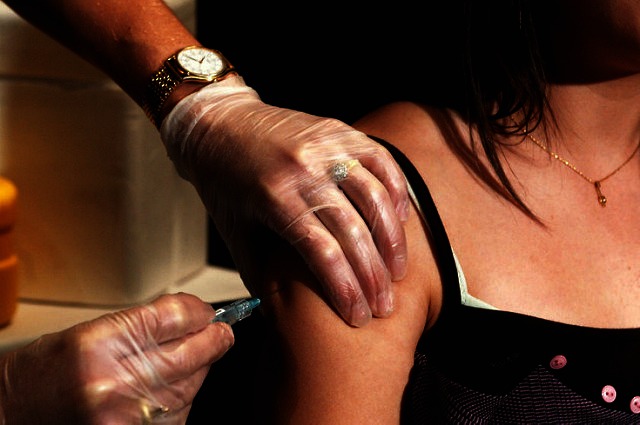
Human papillomavirus (HPV) is one of the most common sexually transmitted infections (STIs). The virus causes genital warts and some kinds of cancer. But what if I told you there was a shot that could prevent infection and protect against the spread of HPV? Well, there is!
The HPV vaccine can help protect everyone starting at age 9. If you get HPV shots early, your body is in the best position to respond well and protect you.
Besides causing genital warts known as herpes, an HPV infection can mean trouble for anyone:
- For people with a vagina, an HPV infection can cause problems with the cervix that may lead to cervical cancer. An HPV infection also can cause problems that may lead to cancer in the vagina, vulva, anus, mouth, and throat. New research suggests that HPV may be linked to heart disease in people with a vagina.
- In people with a penis, an HPV infection may lead to cancer in the penis, anus, mouth, and throat.
- Anyone can get HPV from vaginal, oral, and anal sex.
Many people with HPV don’t know that they have the virus. The reason for this is that HPV can sometimes rest quietly in our bodies, without showing any symptoms. While it is resting, HPV can still cause damage. It can also be passed on to others. That’s why getting vaccinated against HPV is so important.
You should always use condoms and dental dams – even if you’re vaccinated against HPV. While the HPV vaccine is super effective, it’s not perfect. Plus, the vaccine doesn’t protect against other STIs, like HIV. So it’s smart to play it safe by using condoms and dental dams whenever you have sex.
Talk to your primary doctor if you’re interested in getting the HPV vaccine or are worried about STIs. Check out these resources for more information about HPV:
Acknowledgment: kidshealth.org